Before Murray’s Ranch became known as a desert dude ranch, it had another purpose. Nolie and Lela Murray developed the property as a place where African American children and other young people could live, work, and recover from difficult circumstances. The project grew slowly in the Mojave Desert, shaped by limited water, hard labor, financial pressure, and a strong wish to create a stable home.
How Murray’s Ranch Began in the Desert
Nolie and Lela Murray had connections with African American families living around the Sidewinder and Bell Mountain area. They met Arthur Cook through their Los Angeles church. Lela was a registered nurse, but she often suffered from colds and respiratory problems. Because desert air was considered useful for her health, Cook offered land where she could move.
The property covered 40 acres. Cook first wanted to give it without payment, but Lela preferred a purchase. She worried that a free transfer could later create problems with inheritance, taxes, or property law. In 1922, she paid $100 cash and made sure the transaction was recorded. Soon afterward, she moved to the desert.
Nolie still had business interests in Los Angeles. In 1914, one year after marrying Lela, he had opened Murray’s Pocket Billiard Emporium and Cigar Store on East Ninth Street. He continued working in the city while helping at the ranch whenever possible.
Water and Early Ranch Work
Life on the property was not easy. The Murrays dug their first well by hand. It was about three feet wide and 115 feet deep, and later it reached around 250 feet. Water shortage was common in the district, while some homesteaders had to buy water from town.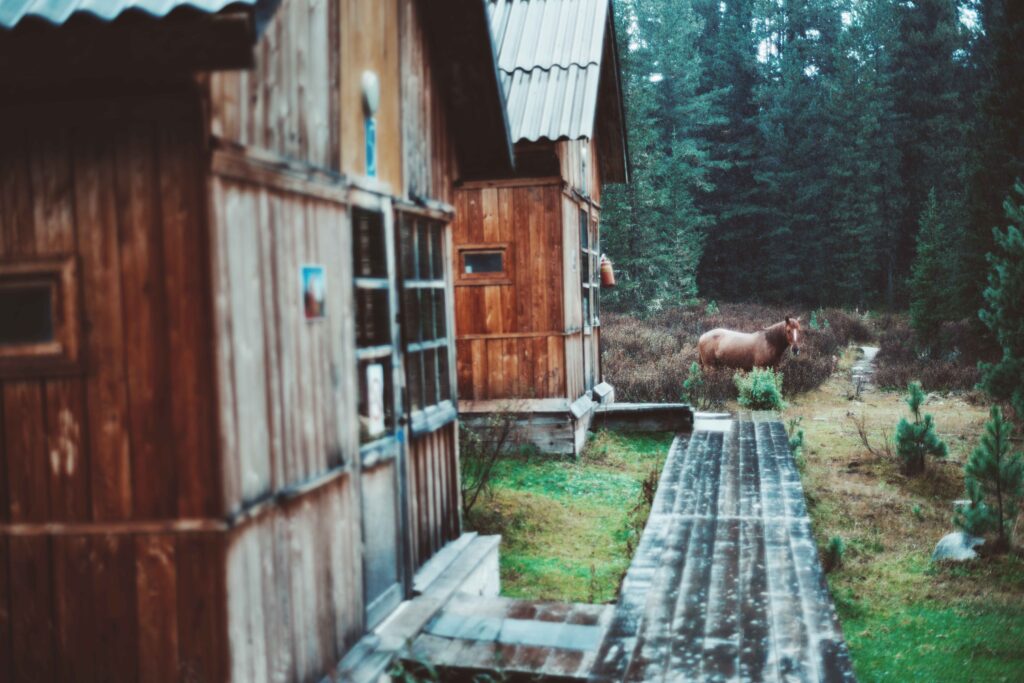
Electricity created another difficulty. Large farms could use fuel powered pumps, but this system was too costly for a single household. The Murrays installed a windmill and a large water tower. During these early years, Lela managed most operations, and the property worked mainly as a chicken ranch.
Murray’s Ranch and Its Youth Home
The Murrays wanted their land to become more than an agricultural property. Their idea was to create a better environment for underprivileged African American children. They imagined something similar to a home where young people could receive structure, practical duties, and a more stable daily life.
Several groups of children came to Murray’s Ranch:
- Young people sent by courts because of misconduct or problems at home
- Children who stayed because their family circumstances were difficult
- Young people with health problems, including asthma and tuberculosis
- Children who needed long periods away from their usual surroundings
- Residents who sometimes remained at the ranch for two or three years
Every child received chores. Work formed part of ranch life rather than an optional activity. If someone failed to complete duties, Nolie would correct the behavior. Strong punishment was usually not necessary, because many children respected him and wanted to please him.
Daily Life with Nolie Murray
Trips into Victorville became memorable events for the children. Nolie moved from store to store collecting supplies, while a group of residents followed him. Each child carried part of the goods that would later be taken back to Lela’s kitchen.
Over time, Nolie left his Los Angeles business and came to work at the ranch full time. Development continued through years of labor. By the end of the 1930s, the property had around 20 buildings as well as a swimming pool, tennis courts, stables, a dining hall, and a ball diamond. A fence surrounded the ranch.
Financial Problems and the Change to a Dude Ranch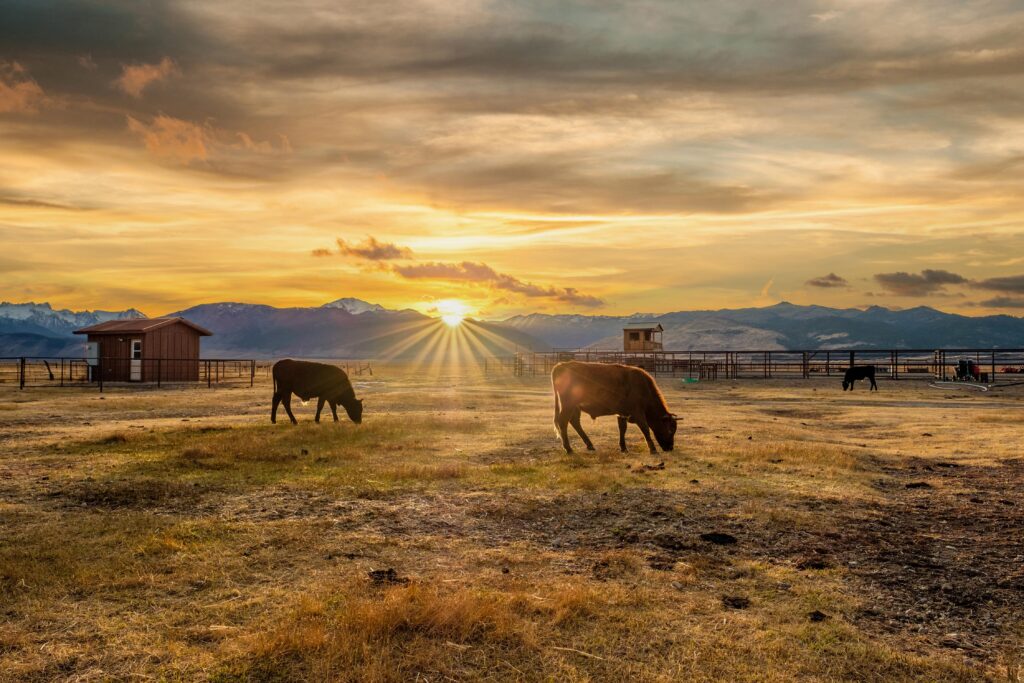
The youth home had grown, but its finances were weak. Payment for caring for the children brought only limited income. At the same time, the economic effects of the Depression continued, and Nolie and Lela found it increasingly difficult to cover expenses.
Bills in town accumulated. The Murrays faced the possibility that the project they had spent years building could fail. They began changing the property into a dude ranch, hoping that paying visitors would create enough income to settle debts and keep the youth home operating.
This change did not begin as a tourism idea. It came from financial necessity and from the wish to preserve the work already established for children. Murray’s Ranch therefore developed through several stages–desert homestead, chicken ranch, youth home, and later guest ranch. Each stage grew from practical needs, but the early mission around young people remained one of the central parts of its history.