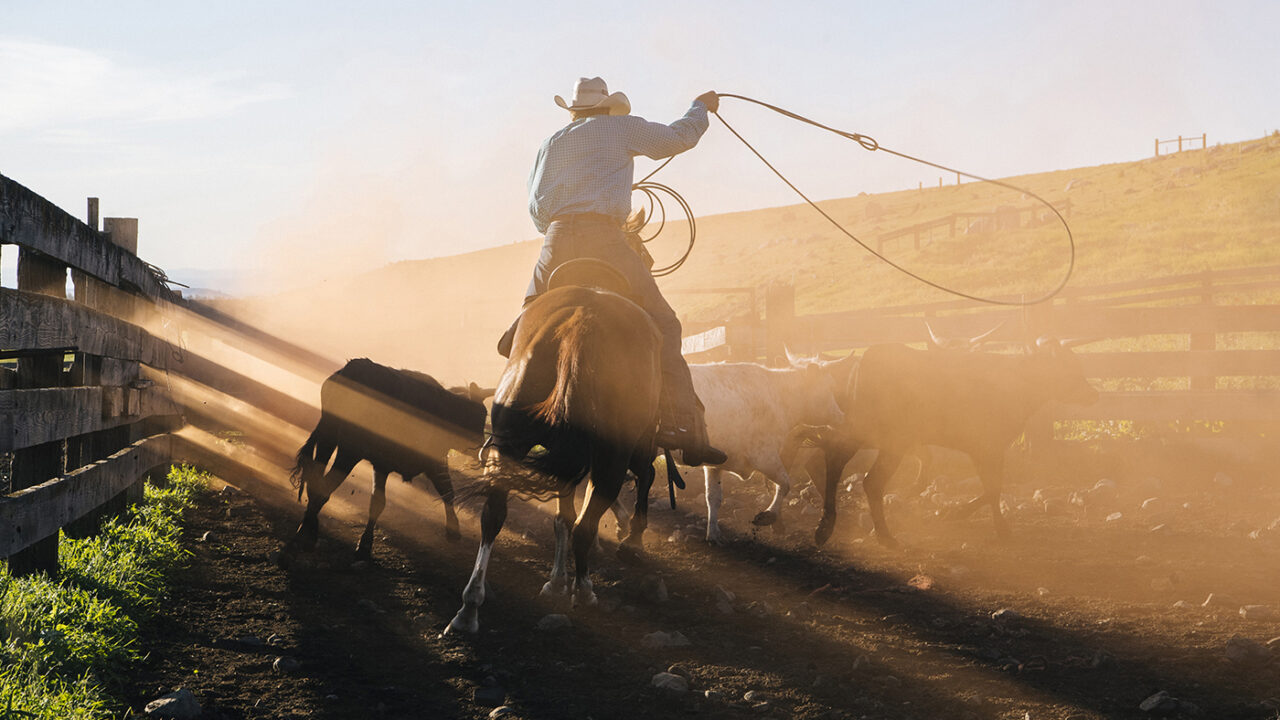
Apple Valley once had many guest ranches where visitors came for rest, desert air, and recreation. Among them, Murray’s Ranch had a special place. It was African American owned, welcomed mainly African American guests, and became known during the 1940s and 1950s for relaxed ranch life, cultural importance, and connections with film and entertainment.
Murray’s Ranch and the Guest Ranch Era
Guest ranches were an important part of Apple Valley from around World War I until the middle of the 1950s. People came to this desert area because ranches offered a quieter setting away from cities.
Some early places included Yucca Loma Ranch and the ranch connected with Dr. Garcelon, later known as Stoddard Jess Ranch. C Bar G Ranch belonged to Cal Godshall, while Al Mendel operated Circle M. Lazy W Ranch and McCarthy’s were also part of this local ranch landscape.
Murray’s Ranch stood apart from these properties. It was also called the Overall Wearing Dude Ranch, a name reflecting an informal atmosphere rather than formal resort life. During its strongest years, it was promoted as the only Negro dude ranch in the world.
A Different Place in Apple Valley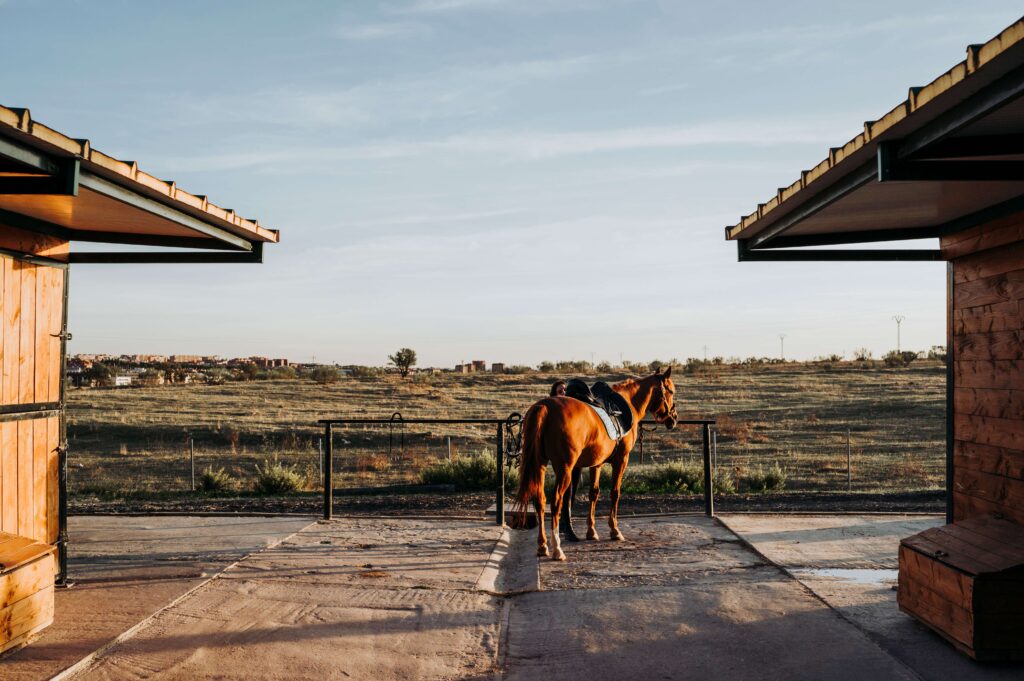
The unusual identity of Murray’s Ranch came mainly from ownership and clientele. African Americans owned the property, and African American visitors formed its main audience, although guests were not limited only to one racial group. This made the ranch uncommon inside the wider guest ranch culture of Apple Valley.
Bell Mountain could be seen behind the ranch, giving the property a setting different from urban entertainment districts where many better–known visitors normally worked.
African American History at Murray’s Ranch
The ranch became notable not simply because people stayed there, but because it offered a place where African American guests could relax with fewer racial difficulties. During the 1940s and 1950s, segregation and discrimination affected travel, accommodation, and leisure in many parts of the United States. A ranch serving African American visitors therefore had a practical and cultural role.
Its main historical features can be summarized through several points:
- African American ownership gave the ranch a rare position among desert guest ranches
- The clientele was African American, but the ranch was not exclusively closed to others
- Visitors came for quiet recreation and an informal style of ranch living
- Black celebrities used the property as a retreat from professional and social pressure
- The ranch became connected with African American film history through singing cowboy movies
The film connection gave Murray’s Ranch another unusual distinction. It served as a set for two of the four known Black singing cowboy movies. Such films formed a very small part of American western cinema, so the ranch linked Apple Valley with a specialized chapter of movie history.
Murray’s Ranch in Apple Valley History
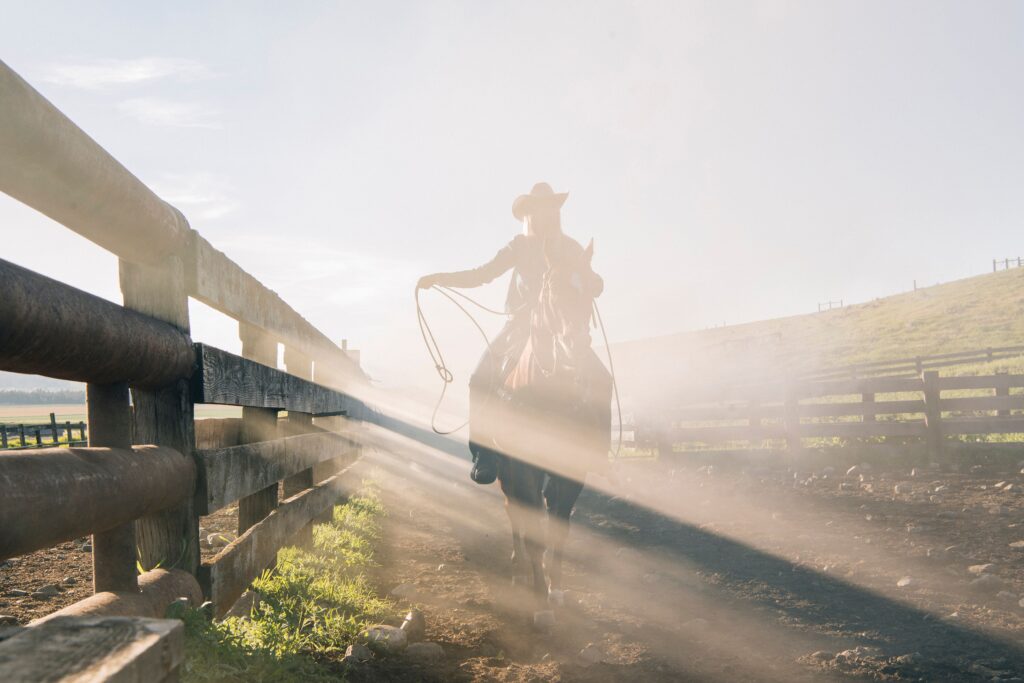
Murray’s Ranch belonged to a larger group of guest ranches, including properties near the town boundary such as Kemper Campbell Ranch and Three Sage Hens. Each ranch had a different personality. Murray’s became memorable because its story joined desert tourism, African American travel, western film, and celebrity life in one place.
The ranch shows how Apple Valley’s guest ranch period was more varied than a simple history of vacation properties. Murray’s Ranch provided recreation, but it also created social space at a time when equal access to leisure was far from normal. Its greatest activity was in the 1940s and 1950s, when guest ranch culture was still strong but already moving toward the end of its major local era.